
Industries
IT for cafes, restaurants and bars
Onsite IT for hospitality venues: point-of-sale networks, guest Wi-Fi, music and screens, cameras and quick fixes when service is on.
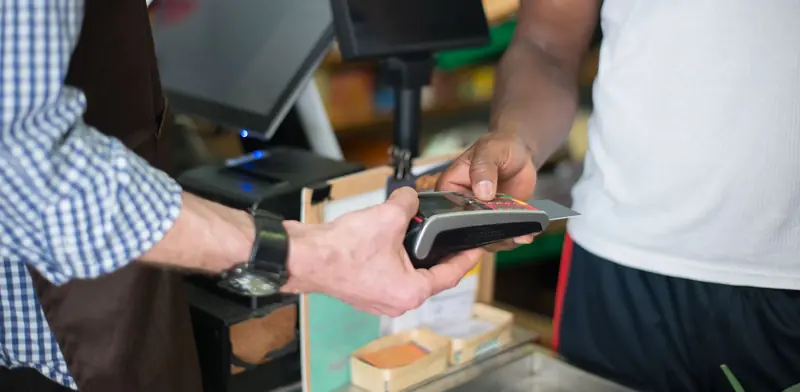
Hospitality runs on a tight rhythm. When the point-of-sale terminal freezes, the kitchen printer stops or the card machine loses its connection, the whole venue feels it within minutes. Cafes, restaurants and bars also depend on guest Wi-Fi, background music, menu screens and cameras, often installed one at a time by different people. The result is a tangle of cables behind the counter and a router tucked in a storeroom. We come to your venue at a time that avoids service, tidy the network and wiring, and set up systems that are easy for staff to understand.
- One-off jobs, no contract
- After-hours work can be arranged
- Works alongside your existing IT provider
- Price agreed before work starts
IT problems cafes, restaurants and bars run into
- POS terminals, kitchen printers and card machines drop out because the network is a single cheap router.
- Guest Wi-Fi shares the same network as the till, which is a risk and slows trading.
- Cabling behind the counter and in the kitchen is messy, damaged or run in unsuitable places.
- Music, menu screens and TVs are controlled by different remotes and apps and keep losing their settings.
- Cameras record poorly or not at all, and nobody knows how to find footage after an incident.
What a good setup looks like
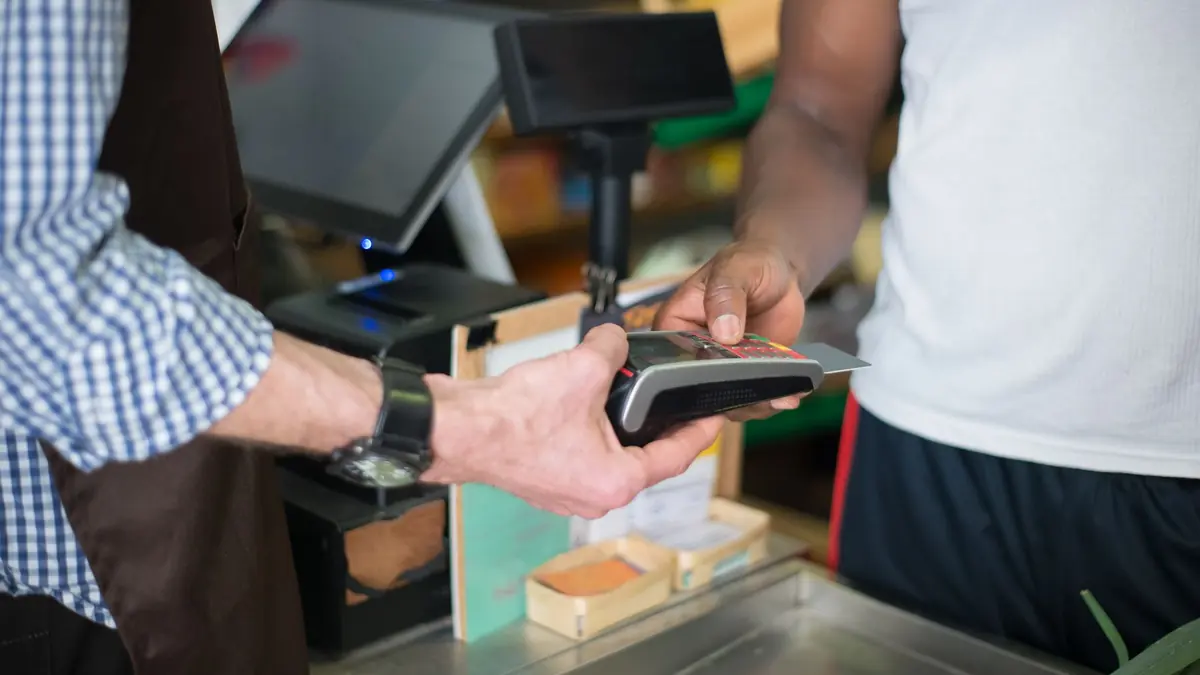
A dependable hospitality network begins at the counter. We install a business router or firewall, a switch for the till, kitchen printer and card terminal, and tidy cabling in places that survive heat, grease and cleaning. Guest Wi-Fi runs on its own separate network, so customers never share a path with payment equipment. Access points are positioned to cover the dining room, bar and outdoor seating without wasting signal on the kitchen.
Next we sort the entertainment and displays. Music, TVs and menu screens are cabled and mounted neatly, with simple controls that staff can operate on a busy night. Digital menu boards can be updated from one place, rather than someone walking round with a USB stick. Where a venue has more than one screen zone, we plan audio and video so each area can be adjusted without upsetting the rest.
Finally we cover resilience and security. A backup internet connection keeps card payments and online orders going if the main line drops. Cameras are installed to cover entries, tills and storerooms, with clear footage and a simple way for the owner to view it. We also leave a laminated, plain-language sheet by the router showing what each cable does, so a staff member can reboot the right thing during service without calling anyone.
Jobs we do for cafes, restaurants and bars
- Rebuild the counter network so tills, kitchen printers and card terminals stay connected.
- Set up separate guest Wi-Fi that cannot reach payment equipment.
- Mount menu screens and connect them to one simple update system.
- Install cameras over the entry, till and storeroom with remote viewing.
- Fit a backup internet connection so card payments continue during an outage.
- Tidy and label cabling behind the bar and in the kitchen.
Services that fit
Retail & Point-of-Sale ITTills, card terminals, printers and networks that keep trading.Wi-Fi & Network SetupWi-Fi that reaches every room. Networks that just work.Business Internet & FailoverA second internet connection that takes over when fibre drops.CCTV & Security CamerasCameras you can check from your phone, installed properly.Digital SignageScreens for menus, notices and promotions, installed and scheduled.TV, Sound & AV SetupTVs, soundbars and meeting rooms set up right.A quick IT checklist
Run through these yourself. Anything you can't tick is a good place to start:
- Do the tills and card terminals run on a network separate from guest Wi-Fi?
- If the internet dropped during service, could you still take card payments?
- Is the router somewhere dry, cool and reachable by staff?
- Do you know how to retrieve camera footage after an incident?
- Can one person change what is on the menu screens quickly?
- Is there a labelled cable sheet near the router for staff to follow?
What a visit looks like
When you book a business job, you tell us what's going on and we reply with a time that suits you and a price. Nothing starts until you're happy with both.
On the day, the technician arrives, looks at the problem in person and confirms the plan with you before starting. If something turns out different from what was expected - a part is needed, or the cause is somewhere else - we stop and agree the change with you first.
When the work is done we test it with you, show you what was changed, and leave the area tidy. For business jobs we note what we did, so there is a record for whoever looks after your IT next.
Pricing
Each business job is priced before work starts. The price depends on what's involved - the size of the site, the equipment, and whether parts are needed - so the quickest way to a number is to tell us about the job on the booking form.
There is no contract and no monthly fee. You book the job you need and pay for that job.
IT for cafes, restaurants and bars: questions
Can you work outside our trading hours?
Yes. We can book installation and cabling for when the venue is closed or quiet, so service is not interrupted. If something fails during trading, you can send us a request through the booking form or email.
Do you set up our point-of-sale system?
We handle the hardware and network side: terminals, printers, cabling, card machine connections and Wi-Fi. For the software itself, such as menu configuration, you will usually work with your POS provider, and we coordinate with them.
Can you install a music and TV system across the venue?
Yes. We mount screens, run cabling, and install speakers and amplifiers sized to the room, with controls that staff can use. We keep audio zones sensible so the bar and dining area can be set separately.
Our venue is in an older building. Is that a problem?
Not usually. Older buildings can have thick walls and tricky ceilings, so we plan access points and cable routes carefully. We use surface-mounted cabling or neat trunking where hiding cable is not an option.
Other industries
- IT for accounting firms
- IT for law firms
- IT for real estate offices
- IT for builders and trade businesses
- IT for architects and engineers
- IT for manufacturers and workshops
- IT for logistics and warehouse sites
- IT for early childhood centres
- IT for gyms and fitness studios
- IT for property managers and landlords
- IT for retirement villages
- IT for churches and community groups
- IT for home-based businesses